

In recent times, agents from the federal body for native communities traveled over 60 miles through dense rainforest on the southern edge of the Amazon region. Their objective was to survey and help protect an tribe with little to no interaction with the modern world.
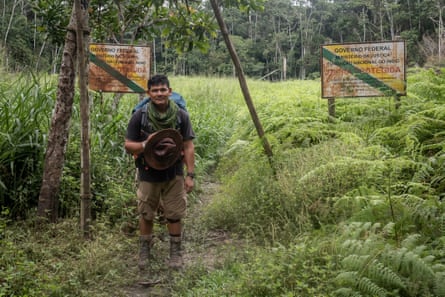
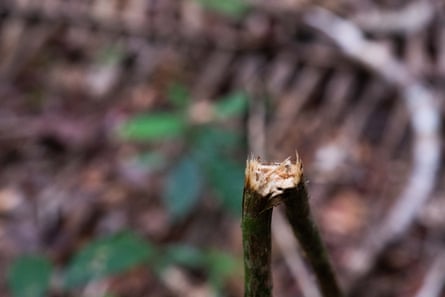
Their discoveries included a small basket made from forest foliage, a small footprints by a creek, and tree trunks newly opened to extract honey. They also found abandoned shelters slowly decaying and remnants of foraged food near previous campsites. These were all clear signs that the isolated tribe were present.
Bureaucratic Delays Block Constitutional Protection
Despite a judicial directive calling for a safeguarding strategy for the vulnerable tribe, the national authorities has failed to implement. The court-ordered plan included accelerating the demarcation of their ancestral domain and explaining deforestation reduction strategies.
Red tape, financial shortfalls, and armed disputes over territory—involving attacks by leaders connected to the logging industry—have stalled the protection initiative.
Without clearly marked borders, loggers and ranchers keep moving in, leaving the Kawahiva at grave risk of genocide. Indigenous supporters label the stalling a deliberate and life-threatening breach of the country's constitution.
“The inaction in land protection is not only illegal, it is also incredibly risky.”
Encroaching Deforestation
The planned one-million-acre Indigenous land has yet to receive official demarcation, as stipulated by law. It is considered the biggest undefended woodland in Brazil that is the domain of communities in voluntary isolation.
Immediately beyond the proposed borders, the scene changes dramatically. The forest has been burned for pastureland. Fences and gates are being erected, and logging tracks are extending deeper into the pristine forest.
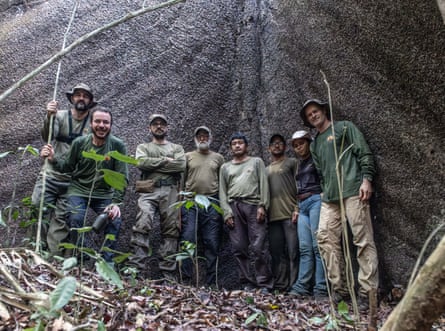
Following the expedition, a agency head for territorial protection promised to address the issue. “We are doing all possible efforts to ensure that the Kawahiva land is demarcated,” the official stated.
Funding Hurdles and Escalating Tensions
The official mapping of the vast territory involves setting up official signs. This is seen as a crucial action to show encroachers that the government is serious about upholding the law. However, the work is on hold.
Money has been a primary obstacle. Initial plans to use federal payments from a road construction did not materialize. The agency has since looked for alternative funding.
It has now engaged a university institute. “We have a cooperative agreement that we’ve previously implemented,” explained an official. “The on-ground work is planned to begin in the first part of 2026.”
The institute acknowledged that discussions were in late stages but did not specify when work would begin.
Complicating everything is what officials term a “conflictual situation in the region,” which is expected to require an security detail during any boundary marking.
Hostile Actors
The risk of attack is real. In 2018, an group of invaders attacked a government base in the territory, resulting in a firefight where one attacker was killed. Years later, security personnel were present in the area.
Recently, an threatening communication surfaced in which a man, identifying as a local leader, made threats against the lead field agent. The individual, connected to local loggers, stated to have entered the territory “looking for those isolated Indians.”
He is under indictment for several offenses, including charges related to the violent assault on the agent. “Activities are blocked because of this guy,” the man said in the recording.
The Political Clock
Anthropologists and observers point out that it has been over 25 years since the existence of the isolated group was confirmed. “In all these years, illegal settlers have consistently challenged the protective measures in court,” noted one expert.
They raise a disturbing possibility: that the present holdup is a deliberate political tactic rather than a technical or legal one. This leads to concern that demarcation may not happen even in the coming year.
The upcoming elections adds urgency. Many believe that 2026 represents the closing window for this territory project to be completed, before a potential change in government could freeze protective measures, as occurred in the past.
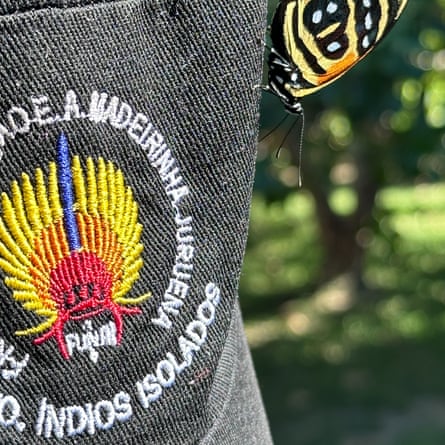
The supreme court directive was the result of a petition filed by a national Indigenous organization. The court acknowledged the “danger of eradication, food insecurity, and assimilation” facing the community.
A lawyer involved described the process as “not moving,” with the court expecting implementation. The consequences of delay are stark. “It is also incredibly perilous and threatens the survival of the isolated Kawahiva,” warned a representative from an rights organization.


